Stop Fighting the Algorithm—It Might Already Be on Your Side
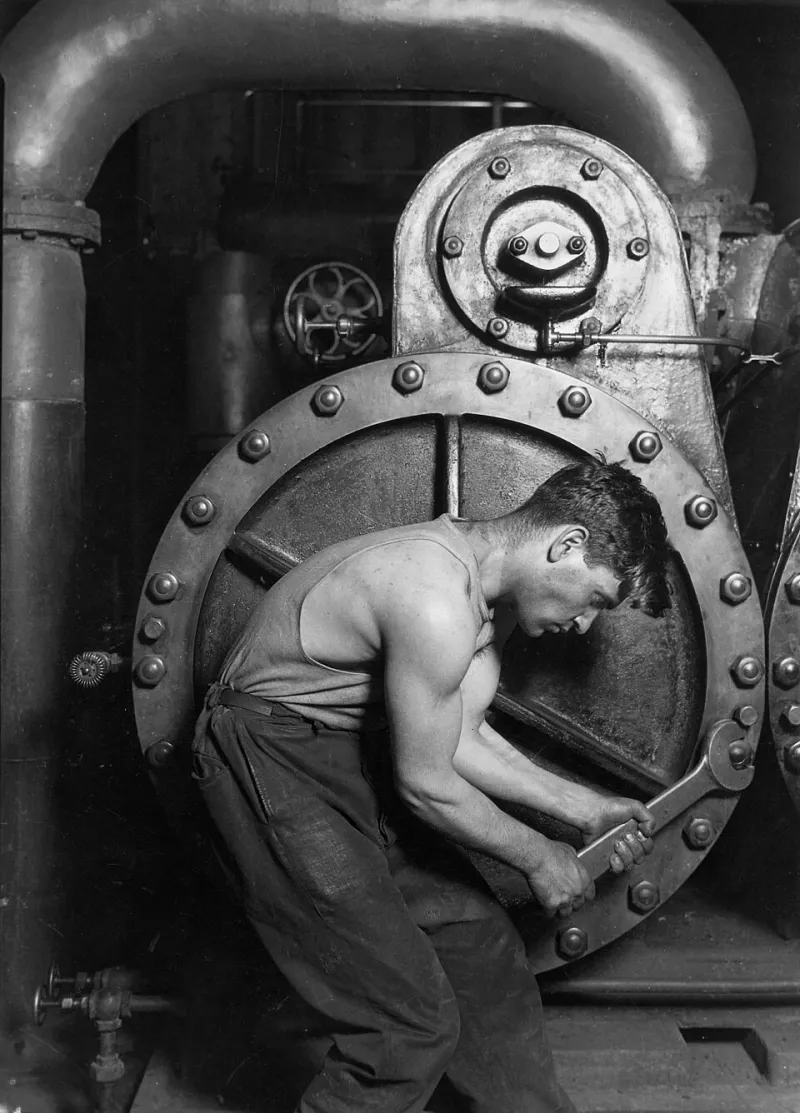
Photo: Lewis Hine, Public domain, via Wikimedia Commons
Every few weeks, a new wave of panic sweeps through the creator community. TikTok changed its ranking signals. Instagram is deprioritizing Reels again. YouTube's search behavior shifted. And suddenly, everyone is scrambling—rewriting bios, posting at weird hours, chasing trending audio they don't even like—trying to stay one step ahead of an invisible machine.
I get it. I've been there. But here's the thing nobody's saying loudly enough: the algorithm was never really your enemy.
The Myth of 'Gaming' Your Way to Growth
There's an entire cottage industry built around cracking platform algorithms. Courses, newsletters, YouTube channels dedicated entirely to decoding the latest updates from Meta or Google. And while some of that information is genuinely useful, a lot of it creates a hamster wheel dynamic where creators are constantly reacting instead of building.
Here's what's interesting, though. When you actually look at what these systems are designed to do, the goal is pretty straightforward: keep people on the platform longer by showing them content they want to engage with. That's it. Algorithms aren't out to get you. They're trying to match good content with the right audience.
So when creators talk about 'beating' the algorithm, they're kind of missing the point. You don't beat it. You align with it—and that alignment looks a lot like just... doing good work consistently.
What Algorithms Actually Reward (And It's Not What You Think)
Let's break this down practically. Most major platforms—Instagram, YouTube, TikTok, LinkedIn—use engagement signals to determine distribution. We're talking watch time, saves, shares, comments, and return visits from the same users. These are all indicators of one thing: did your content genuinely connect with someone?
Notice what's not on that list. Posting frequency at 3:14 PM on a Tuesday. Using exactly seven hashtags. Responding to comments within the first thirty minutes (though being responsive is generally a good habit). These micro-tactics get outsized attention online, but they're marginal at best.
What actually moves the needle? Audience retention. If people watch your video all the way through, that's a signal. If they save your post to come back to later, that's a signal. If they DM their friend saying 'you have to see this,' that's a signal. All of these behaviors are downstream of one thing: content that actually meant something to the person who saw it.
That's not a technical trick. That's craft.
The 'Performative Authenticity' Trap
Here's where things get a little uncomfortable. In response to the algorithm anxiety, a lot of creators have swung to the opposite extreme—leaning hard into 'authenticity' as a strategy. Raw, unfiltered, vulnerable content. And look, genuine vulnerability can be incredibly powerful. But there's a version of this that's still performative, still calculated, still designed to hack emotional engagement rather than create it organically.
Audiences are sharp. Especially American audiences who have grown up in a media landscape saturated with advertising and influencer culture. They can feel the difference between a creator who is genuinely sharing something and one who is performing openness as a content format.
The algorithm, weirdly, can feel it too—not because it has emotions, but because performative content tends to generate lower-quality engagement. People might click, but they don't save. They might watch halfway, but they don't share. The signals are weaker, and over time, distribution suffers.
Real connection—content that actually reflects who you are and what you care about—generates the kind of engagement that platforms reward because it generates the kind of engagement that keeps people coming back.
Building Sustainable Without Burning Out
So if the answer isn't obsessing over every algorithm update, and it's not performing authenticity either, what does a sustainable creator strategy actually look like?
Commit to a rhythm, not a grind. There's a difference between consistent output and constant output. Posting three times a week, every week, for two years will outperform a creator who posts daily for three months and then disappears. Platforms reward reliability because reliability signals to the algorithm that you're a dependable source of content worth promoting.
Get clear on your actual audience. Not your dream audience, not the audience you think you should have—your real audience. The people who are already showing up, engaging, sharing. When you create specifically for them, you naturally produce content that generates strong signals.
Stop treating every platform the same. LinkedIn rewards professional insight and career narrative. TikTok rewards entertainment and discovery. YouTube rewards depth and search intent. Your content strategy should reflect those differences, not just cross-post the same thing everywhere and hope for the best.
Let go of viral as a metric. Viral moments are real, but they're not a strategy. A video with 800 views that converted five paying clients is worth more than a million-view post that drove zero business outcomes. Redefine what success looks like for your specific goals.
The Actual Good News
Here's what I want you to walk away with: the fact that algorithms reward genuine connection is genuinely great news for creators who are in this for the long haul. It means you don't have to become a different person every time a platform updates its policy. It means the skills that matter—storytelling, understanding your audience, showing up consistently—are durable. They don't depreciate.
The creators who are still standing five years from now won't be the ones who were best at gaming the system. They'll be the ones who built something real, one piece of content at a time, and trusted that the work would find its people.
The algorithm isn't against you. In a lot of ways, it's rooting for exactly what you should be rooting for too.