Every Yes Has a Price Tag: The Hidden Cost of Overcommitting Your Creative Energy

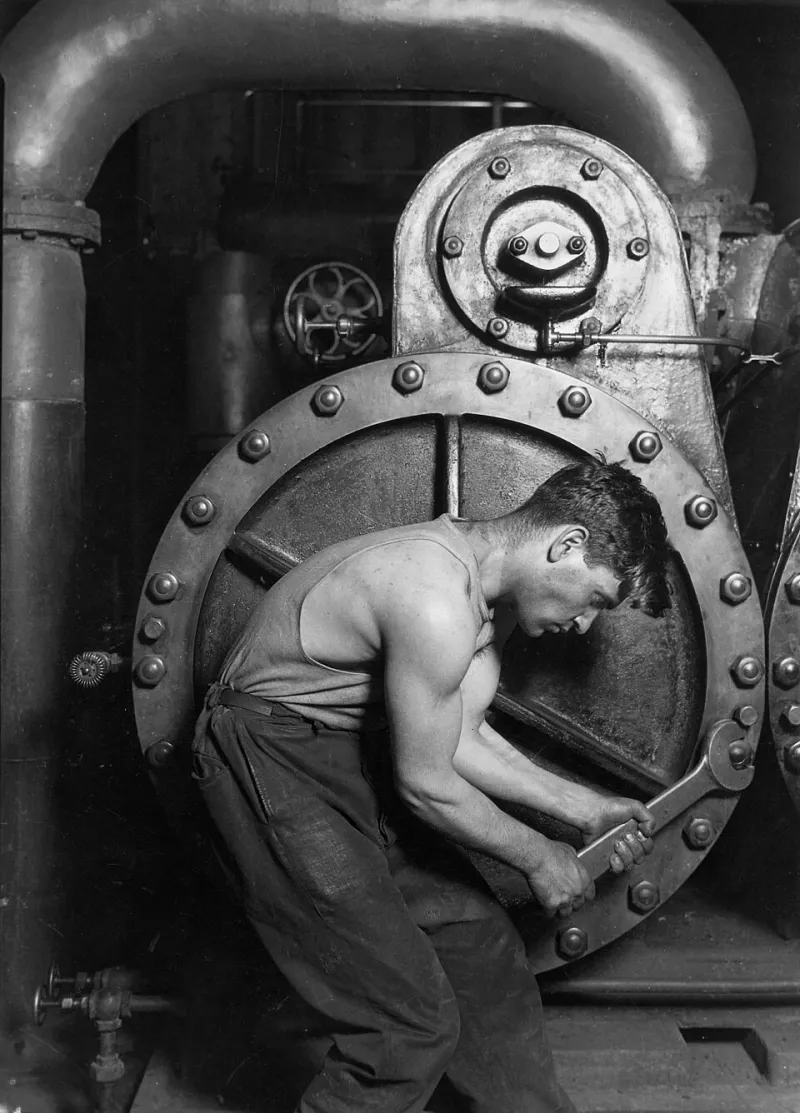
Photo: Internet Archive Book Images, Public domain, via Wikimedia Commons
There's a version of hustle culture that tells you the path to success is paved with yeses. Say yes to every collab. Say yes to that sponsored post. Say yes to the podcast guest spot, the brand deal that's kind of in your lane, the friend's project that needs your voice on it. The logic sounds airtight: more visibility, more connections, more momentum.
Except it doesn't always work that way.
For a lot of creators — especially those in their first few years of building something real — the compulsive yes is less of a strategy and more of a trap. And the worst part? It looks like progress while it's happening.
The Illusion of Busy
When your calendar is full, it's easy to feel like you're winning. You've got a collaboration dropping next week, a brand partnership post going live Friday, and three DMs from other creators wanting to work together. From the outside, it looks like you've made it.
But here's the thing nobody talks about: being busy and being productive toward your actual vision are two completely different states of being. One drains you. The other builds something that lasts.
Creators who overcommit tend to share a common experience — they describe a kind of creative fog that sets in after months of saying yes to everything. You're producing constantly, but nothing feels like yours anymore. The work starts to feel like it belongs to whoever asked for it, not to the vision you started with.
That's not growth. That's drift.
What You're Actually Giving Away
Every project you take on costs something beyond time. It costs mental bandwidth, creative energy, and — maybe most importantly — the opportunity to work on something better.
Economists call this opportunity cost. Creators rarely think about it that way, but they should.
When you agree to produce content for a brand that's only marginally relevant to your audience, you're not just spending a few hours on deliverables. You're spending the creative energy that could have gone into the piece you've been meaning to make for six months. The one that actually says something. The one that's you.
And the collaborations? They're trickier, because they come wrapped in relationship energy. Saying no to a fellow creator can feel like a rejection, a closed door, a missed connection. So you say yes out of politeness, out of fear of missing out, out of a genuine desire to support people in your community.
But if the collaboration doesn't align with where you're going, you end up producing work that confuses your audience and dilutes the clarity of your brand — all while the other person walks away just fine.
A Framework for Evaluating What Actually Belongs on Your Plate
So how do you figure out which opportunities are worth your yes? Here's a simple filter worth running every potential project through:
1. Does this move me toward my stated vision, or just toward more activity? Be honest. Not every opportunity that looks exciting is actually relevant. Ask yourself: if this project goes perfectly, what does it do for where I'm trying to be in two years?
2. Would I still say yes if no one else was watching? A lot of creator decisions are made for optics — the collab looks good, the brand name is impressive, the other creator has a bigger following. Strip all of that away. Is the work itself something you'd be proud of?
3. What am I not doing if I say yes to this? This is the opportunity cost question. Name it specifically. If the answer is "I'm not working on my own project that I've been putting off for three months," that tells you something important.
4. Am I saying yes out of fear or out of genuine alignment? Fear-based yeses are the sneakiest. Fear of missing out, fear of seeming difficult, fear that if you don't take this opportunity another one won't come. Alignment-based yeses feel different — they feel like a natural extension of what you're already building.
Learning It the Hard Way
The creators who've figured this out usually had to learn it through experience rather than advice. There's something almost universal in the story: a period of frantic output followed by a quiet moment of looking at everything they'd made and feeling disconnected from all of it.
The turning point tends to be the same, too. It's not a dramatic burnout or a public implosion. It's quieter than that. It's sitting down to work on something that's genuinely yours and realizing you don't have the energy for it anymore. That the well is dry because you've been giving water away to everyone else's projects.
That moment of creative emptiness is actually useful information. It's telling you that your best work has a cost, and you've been spending the budget on the wrong things.
Saying No Is a Creative Act
Here's the reframe that changes everything: no isn't a closed door. It's a protected space.
Every time you decline something that doesn't fit, you're making room for something that does. You're telling yourself — and the universe, if you're into that — that your vision is worth protecting. That it doesn't have to compete for your attention with things that don't serve it.
The most distinctive creators you admire didn't get there by saying yes to everything. They got there by being ruthlessly clear about what they were building and making sure their time and energy reflected that clarity.
Your best work isn't waiting for more opportunities. It's waiting for you to clear the clutter so it finally has room to breathe.
So the next time something lands in your inbox and your gut says I should probably do this rather than I genuinely want to do this — pay attention to that difference. It might be the most important editorial decision you make all year.